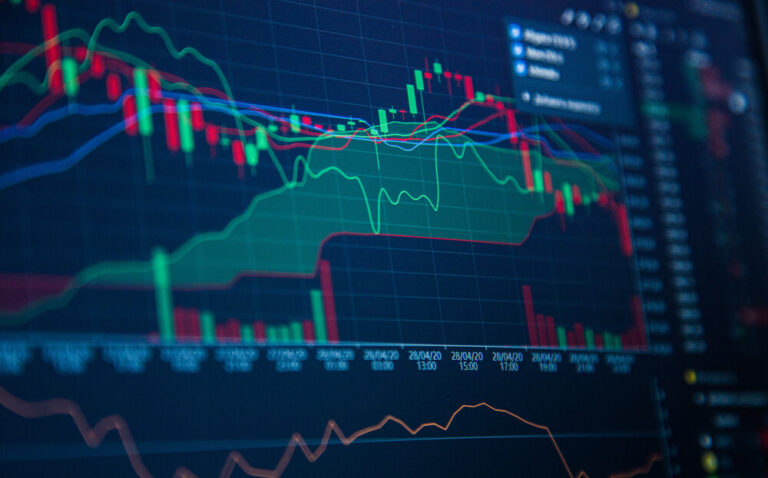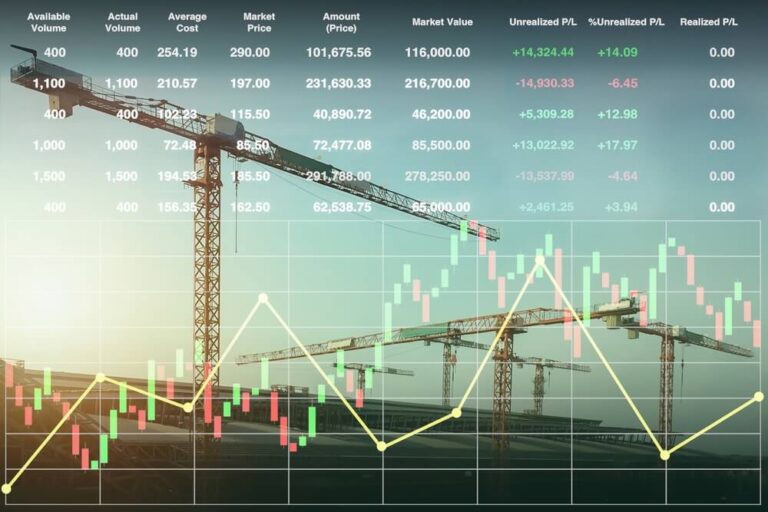


Market dynamics refer to the factors and forces that influence the behavior, performance, and structure of markets over time. Understanding these dynamics is crucial for businesses, investors, policymakers, and consumers to make informed decisions. This blog will explore the key components of market dynamics, including supply and demand, competition, innovation, and external factors, providing insights into how they interact to shape our economy.
Supply and Demand
The fundamental concept of supply and demand is at the heart of market dynamics. Supply refers to the quantity of a product or service that producers are willing and able to sell at various prices, while demand refers to the quantity that consumers are willing and able to purchase. The interaction of supply and demand determines the market price and quantity of goods sold. When demand exceeds supply, prices tend to rise, leading to increased production and eventually balancing the market. Conversely, when supply exceeds demand, prices fall, prompting producers to reduce output.
Competition
Competition is a driving force in market dynamics, influencing prices, quality, and innovation. In a highly competitive market, businesses strive to attract customers by offering better products, lower prices, or superior service. This competition fosters innovation as companies seek to differentiate themselves. However, excessive competition can lead to market saturation, where too many businesses vie for the same customers, potentially leading to lower profits and business closures. On the other hand, monopolies or oligopolies can stifle competition, leading to higher prices and less innovation.
Innovation
Innovation plays a critical role in shaping market dynamics by introducing new products, services, and technologies. Innovative companies can disrupt existing markets, creating new demand and rendering old products obsolete. This process, known as creative destruction, drives economic growth and enhances consumer choice. However, it also poses challenges for established businesses that must adapt or risk becoming obsolete. The rapid pace of technological change in today’s economy underscores the importance of innovation in maintaining competitive advantage.
External Factors
External factors, including economic conditions, regulatory changes, and social trends, also significantly impact market dynamics. Economic conditions such as inflation, interest rates, and unemployment levels can influence consumer spending and business investment. Regulatory changes can alter market structures, create new opportunities, or impose constraints on business operations. Social trends, such as changing consumer preferences and demographics, can shift demand patterns and open new markets.
Globalization
Globalization has profoundly affected market dynamics by increasing the interconnectedness of economies. It has expanded markets for businesses, allowing them to reach new customers and source materials from around the world. However, globalization also introduces new challenges, such as increased competition from foreign companies and vulnerability to global economic fluctuations. Understanding the implications of globalization is essential for businesses to navigate the complexities of the modern market.
Market Equilibrium and Disequilibrium
Market equilibrium occurs when the quantity supplied equals the quantity demanded, resulting in a stable market price. However, markets are often in a state of disequilibrium due to shifts in supply and demand. These shifts can be caused by various factors, such as changes in consumer preferences, technological advancements, or external shocks like natural disasters. Understanding how markets move towards or away from equilibrium helps in predicting price movements and planning strategic responses.
Conclusion
Market dynamics are complex and multifaceted, influenced by a myriad of factors that interact in unpredictable ways. Grasping the fundamentals of supply and demand, competition, innovation, and external influences is essential for anyone looking to navigate the economic landscape effectively. By staying attuned to these dynamics, businesses can better position themselves for success, investors can make more informed decisions, and policymakers can create environments that foster growth and stability. Ultimately, a deep understanding of market dynamics equips us to respond proactively to economic changes and seize opportunities in an ever-evolving marketplace.